Uncover 7 surprising truths that will change your view on tulips
Posted on 01/07/2025

Uncover 7 Surprising Truths That Will Change Your View on Tulips
Tulips enchant millions with their vibrant colors and elegant shape, heralding the arrival of spring every year. Yet, beyond their beauty, tulips have a remarkable history, unique biology, and cultural significance that many overlook. Dive deep into the world of tulips with these seven surprising truths--each guaranteed to transform how you see these iconic spring blossoms.
1. Tulips Triggered the World's First Economic Bubble
Did you know tulips were at the heart of a financial frenzy?
In the 17th century, the Netherlands was gripped by Tulip Mania, often called the first recorded economic bubble. The craze for rare and vividly patterned tulip bulbs led Dutch citizens from all walks of life to invest heavily in these beautiful flowers. At its height, the price of a single tulip bulb soared to the equivalent of an average skilled worker's annual salary--or, in some cases, even more!
- Rare bulbs were worth more than gold.
- Speculators traded bulbs like modern stocks.
- The bubble burst dramatically in 1637, plunging many into financial ruin.
Tulip mania left a lasting mark: today, economists still refer to irrational economic bubbles as "tulip mania." This episode highlights how these fragile blooms forever altered global economic history.
2. Tulips Are Not Native to the Netherlands
Discover the surprising origins of the world's most famous tulip fields
When most people think of tulips, the iconic Dutch fields undoubtedly come to mind. However, the truth is, tulips did not originate in the Netherlands. Their wild ancestors actually hail from the rugged terrains of Central Asia, especially areas now known as Kazakhstan, Uzbekistan, and parts of Afghanistan and Iran.
- Tulips were first cultivated by the Ottoman Empire in Turkey, where they became a symbol of abundance and indulgence.
- They were introduced to Western Europe in the 16th century, courtesy of botanist Carolus Clusius, who grew them at the University of Leiden.
- Only after their arrival in the Netherlands did tulips spark national fascination and mass cultivation.
Understanding this global journey proves tulips are historic travelers, not just floral icons restricted to Dutch culture.
3. The Wild Tulip: More Than Just a Garden Beauty
The untamed ancestors of today's tulips still flourish in the wild
Most people encounter tulips in neat rows, gracing gardens and parks. However, over 75 species of wild tulips grow across Asia, North Africa, and Southern Europe. These wild varieties--often smaller and less flamboyant than cultivated types--have adapted to harsh climates, blooming among rocky landscapes, steppe grasslands, and even high mountain slopes.
- Tulipa greigii: Known for scarlet blooms and mottled leaves, wild in Central Asia.
- Tulipa sylvestris: The "Woodland Tulip," with fragrant yellow flowers, is native to the Mediterranean.
- Tulip species thrive in places with hot, dry summers and cold winters--unlike most modern gardens.
Preserving wild tulip habitats is crucial for sustaining biodiversity and for further breeding hybrid varieties with new colors and forms.
4. Stunning Colors, Ingenious Adaptations
Tulips have evolved a surprising range of colors and survival strategies
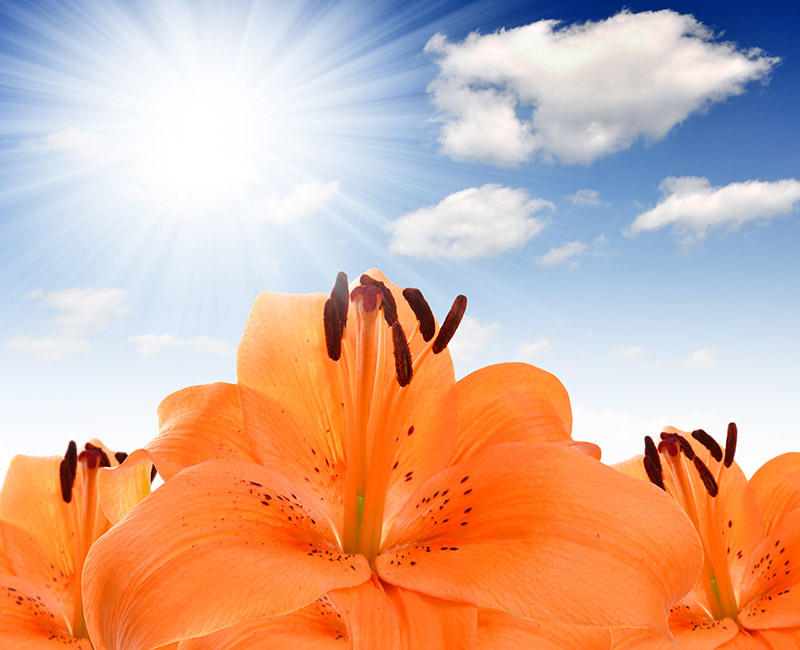
The rainbow of tulip colors isn't just for show. In nature, the vivid hues and striking patterns evolved to attract specific pollinators and deter animals. Some even adapted their blooming times and flower shapes for survival in challenging environments.
- Pigments: Anthocyanins and carotenoids produce tulip color, ranging from pure white to deep purple, orange, and almost black.
- Some wild tulips display vertical striping or "broken" colors, caused by a viral infection once highly prized during the Dutch "tulip mania."
- Tulips have waxy leaves and bulbs designed to resist drought and survive frigid winters.
This adaptation has enabled tulips to flourish both in gardens and wild habitats worldwide.
5. Tulips in Art, Literature, and Culture
A flower with profound symbolism and inspiration
For centuries, tulips have captured the imagination of artists, poets, and rulers. Their meaning varies across cultures but always inspires emotion and creativity:
- In Turkish culture, tulips symbolized paradise on earth and were central motifs in Ottoman art and architecture.
- In Victorian England, different tulip colors conveyed secret messages about love, charity, or passion through the "language of flowers."
- Famous painters, from Rembrandt to Monet, immortalized tulips in still-lifes. Vincent van Gogh even painted the famous Tulip Fields in his unique style.
- Modern festivals such as Canada's Tulip Festival and the Keukenhof Gardens in Holland draw millions of visitors, integrating tulips into contemporary culture.
Tulips remain powerful symbols of beauty, hope, and a celebration of spring's return.
6. Tulip Bulbs Once Served as Emergency Food
Tulips helped people survive during tough times
Few people know that tulip bulbs were eaten in the Netherlands during World War II's "Hunger Winter" of 1944-1945. With food scarce, Dutch families dug up bulbs, peeled them, and cooked them as a last resort.
- Tulip bulbs were boiled, roasted, or ground into flour for bread and soup.
- Stories describe the flavor as bitter and starchy, sometimes leading to illness if not prepared correctly.
- The experience is a testament to both the resilience of the people and the diverse usages of tulips beyond decoration.
Although not recommended today, the tulip's role as emergency food demonstrates their unexpected importance in history.
7. The Tulip Genome: Unlocking New Frontiers in Science and Horticulture
Modern science reveals the genetic secrets of tulips
Recent scientific research has unlocked the mysteries of the tulip genome, paving the way for amazing horticultural advances:
- Tulips possess one of the largest and most complex genomes among flowering plants, with 32 gigabases--almost 11 times the size of the human genome!
- Mapping the tulip genome helps breeders understand flower color, disease resistance, and climate adaptation.
- Innovative techniques allow geneticists to breed more resilient and longer-lasting tulips, potentially introducing breathtaking new colors and shapes.
With advances in biotechnology, tulips are poised to surprise the world again--as symbols of both beauty and scientific ingenuity.
How These Surprising Facts Transform Our View of Tulips
The more we learn about tulips, the more fascinating these beloved spring flowers become. From igniting global financial frenzies and nourishing the hungry, to inspiring art and advancing genetic science, the humble tulip is anything but ordinary. As you stroll through tulip-filled gardens or admire a colorful bouquet, recall the rich history, resilience, and beauty hidden beneath their delicate petals.
Key Takeaways: Surprising Facts About Tulips
- Tulip mania: The first economic bubble in history was centered on tulip bulbs.
- Tulip origins: These flowers began their journey in Central Asia--not the Netherlands.
- Wild tulips: More than 75 wild species thrive in harsh, untamed environments.
- Genetic diversity: Tulip colors and forms are the result of centuries of adaptation.
- Symbolism and art: Tulips carry layered meanings in cultures and arts worldwide.
- Unexpected uses: In desperate times, tulip bulbs were a vital food source.
- Scientific frontiers: Genome sequencing unlocks endless horticultural possibilities.
Conclusion: Celebrate Tulip History, Diversity, and Wonder
Let these seven truths reshape your appreciation for tulips. Whether you're a gardener, a flower lover, or a curious mind, remember that tulip flowers are much more than dazzling decorations--they're symbols of cultural evolution, scientific exploration, and natural resilience. The next time you encounter a tulip, see it not just as a pretty face, but as a marvel with a story as colorful and surprising as its blooms.
Uncover the beauty and secrets of tulips--the more you know, the more you'll be amazed!